Pedals
Pedals translate your braking, throttle, and clutch inputs into the simulation. Loadcell brake sensors offer the most realistic feel by measuring pressure rather than travel, while hall effect sensors provide contactless precision. Consider whether you need two or three pedals, and whether hydraulic or spring-based resistance suits your preference.
Showing 30 of 216 products
Simjack Pro Pedals

starting from*208,20 €
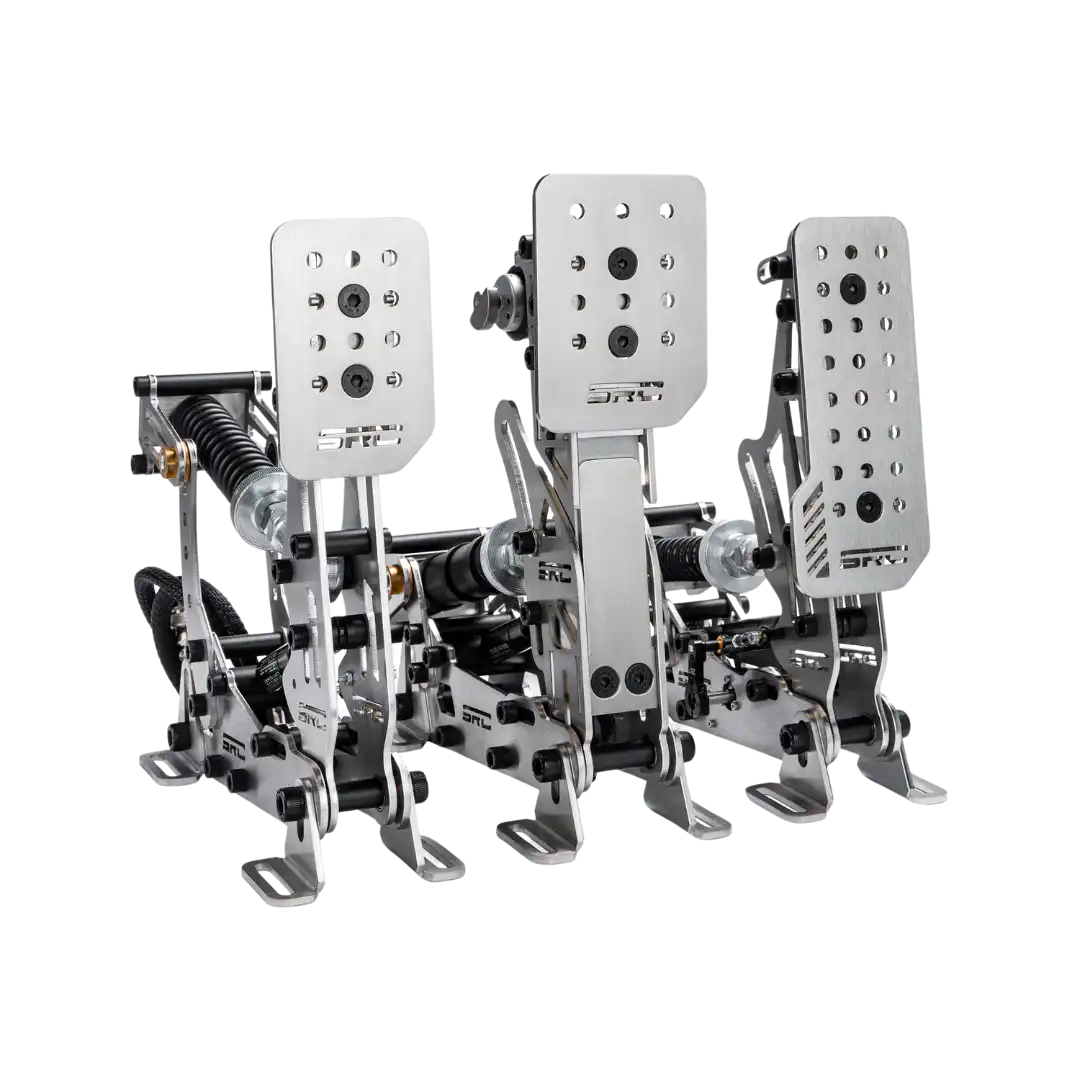
SRC X1F Esports Pedals
starting from*1.168,54 €
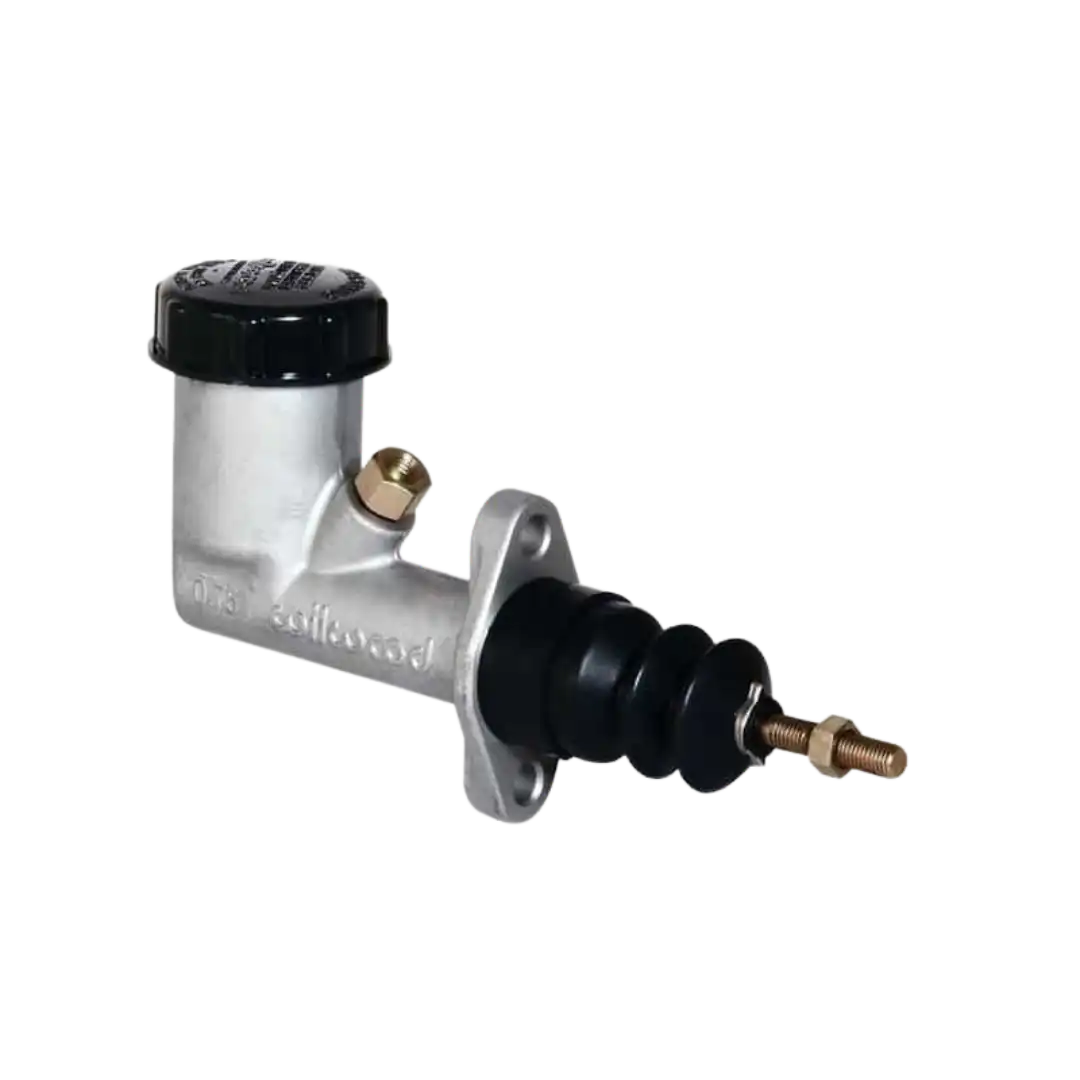
BJ Wilwood master cylinder
starting from*72,00 €
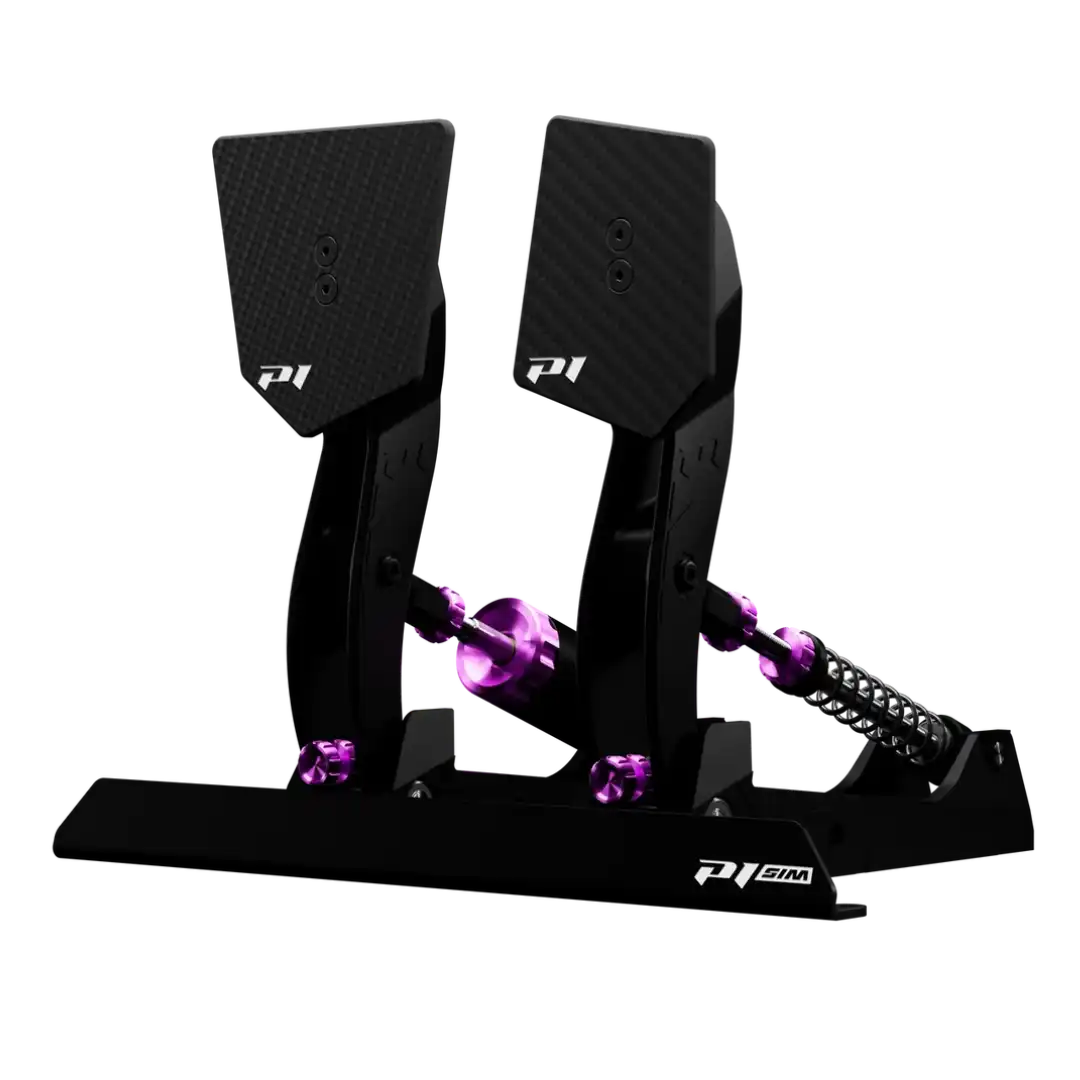
P1-Mistral 2 Pedal Set
starting from*649,00 €
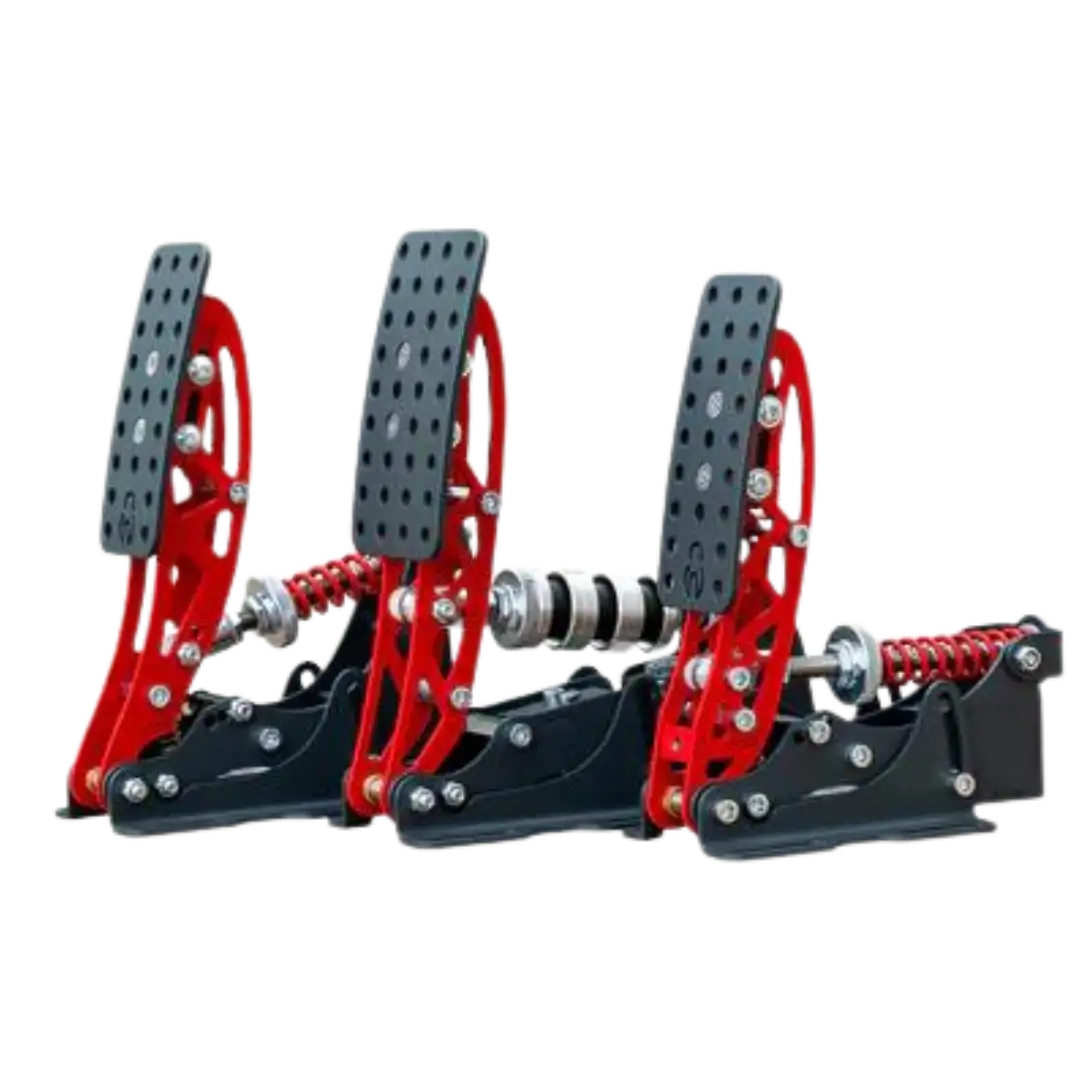
Alien Pedals Racing 3-Pedals
starting from*759,00 €
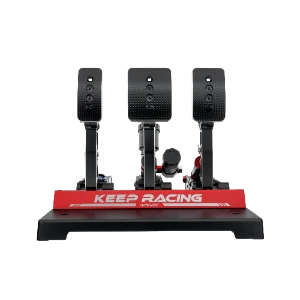
P1000-RS Pedal
starting from*EOL
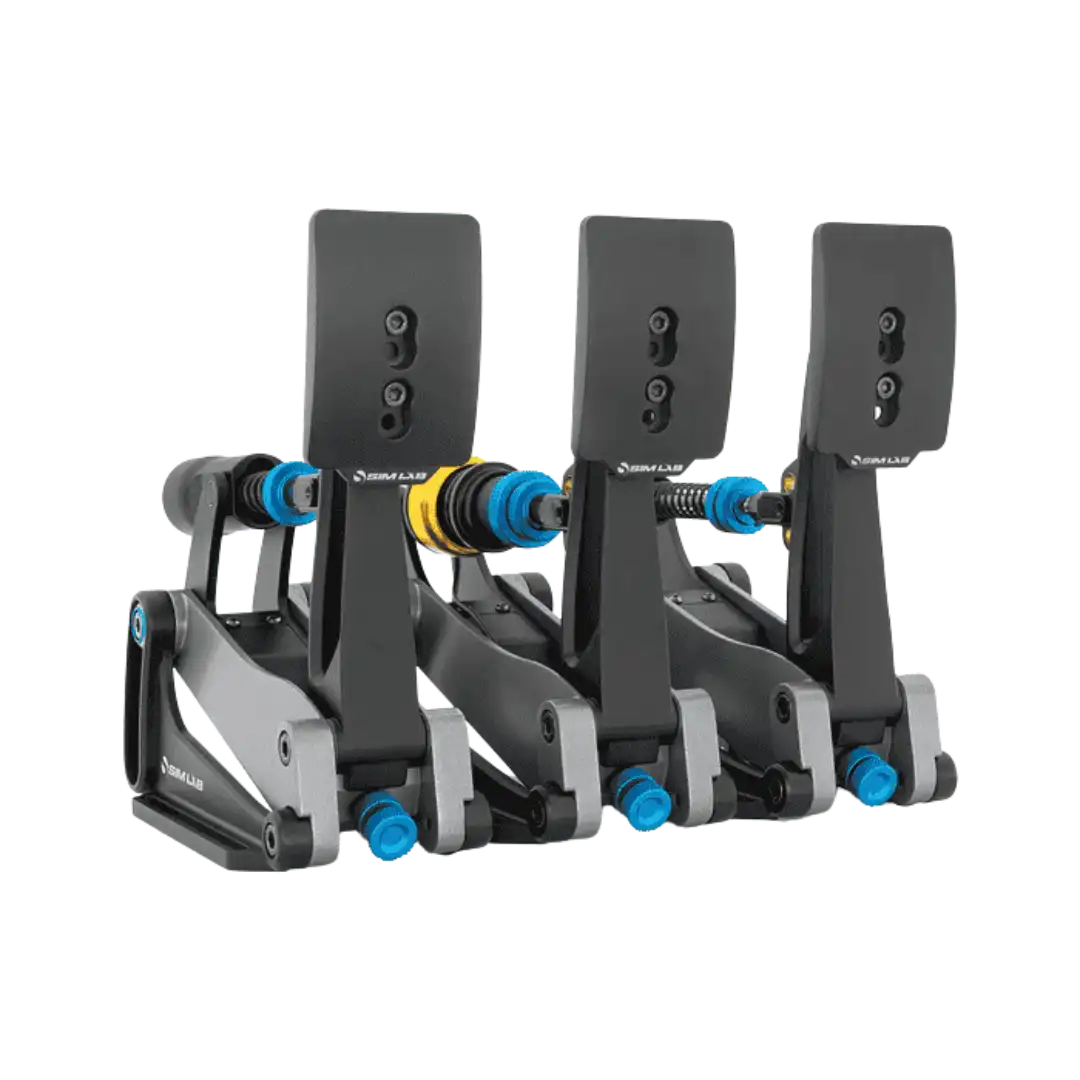
Pedal Set XP1 Loadcell
starting from*392,40 €
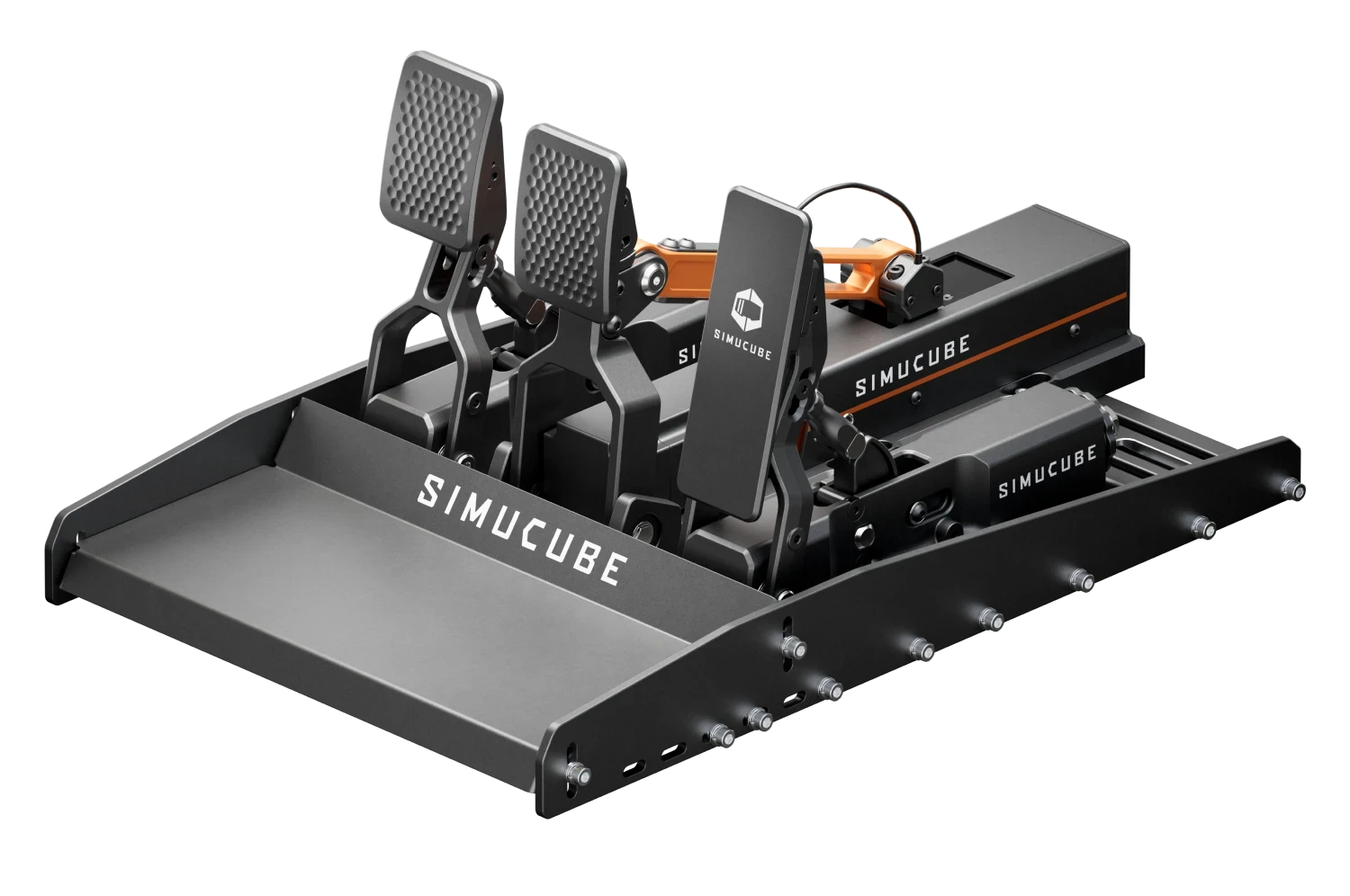
Simucube Pedals
starting from*2.733,43 €
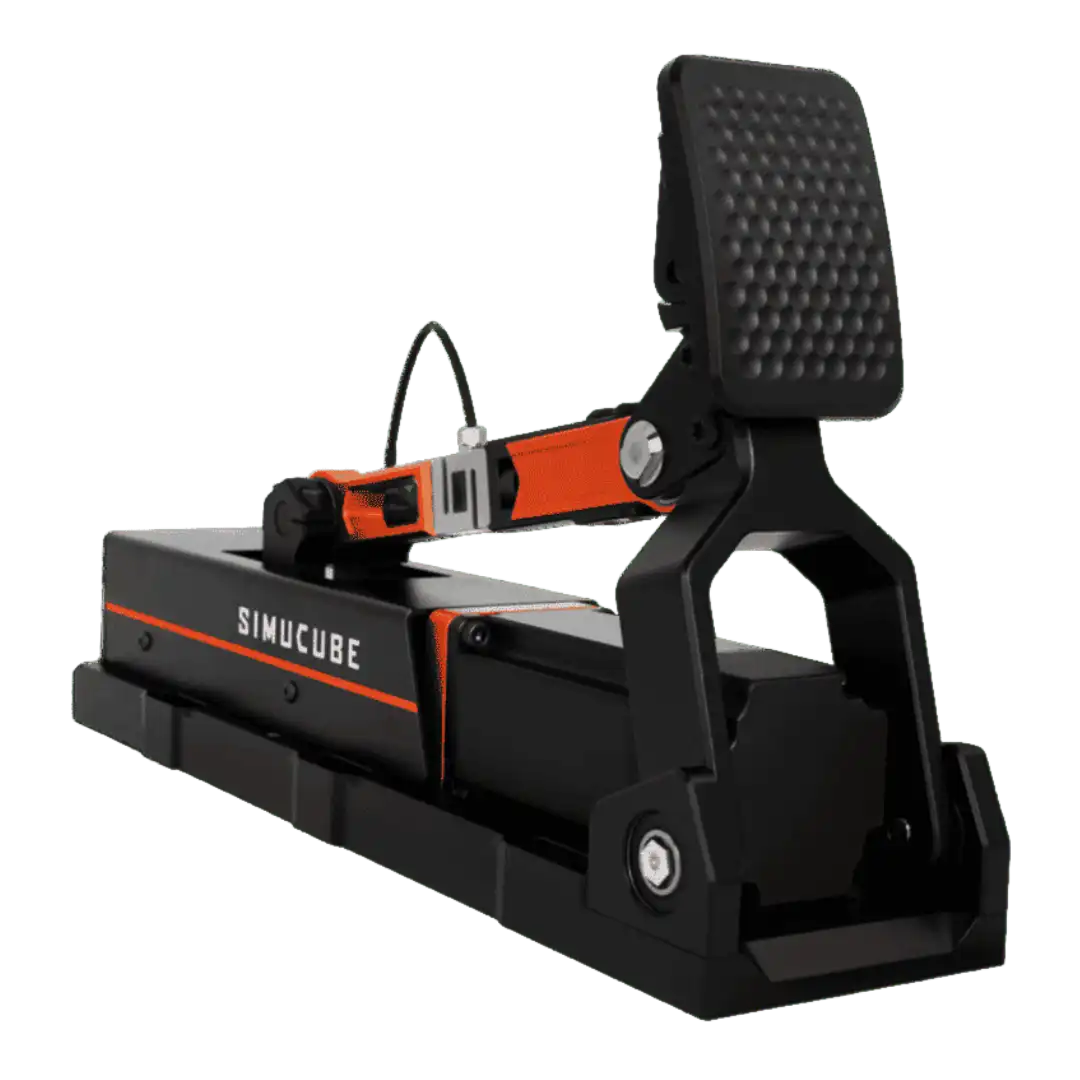
Simucube ActivePedal Ultimate
starting from*2.349,51 €
P-S200 Loadcell
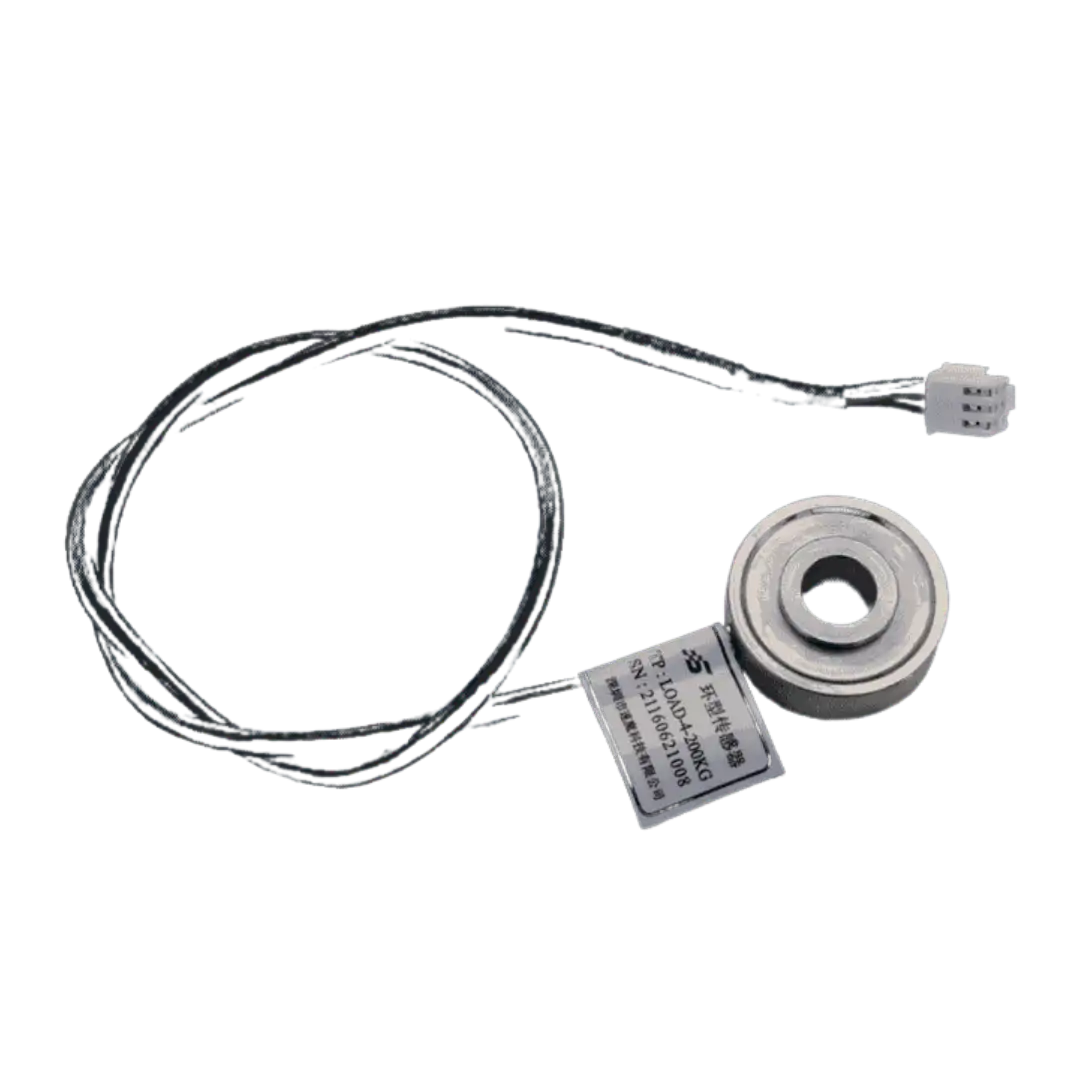
starting from*109,00 €
Simforge Mrk-1 Dark Edition
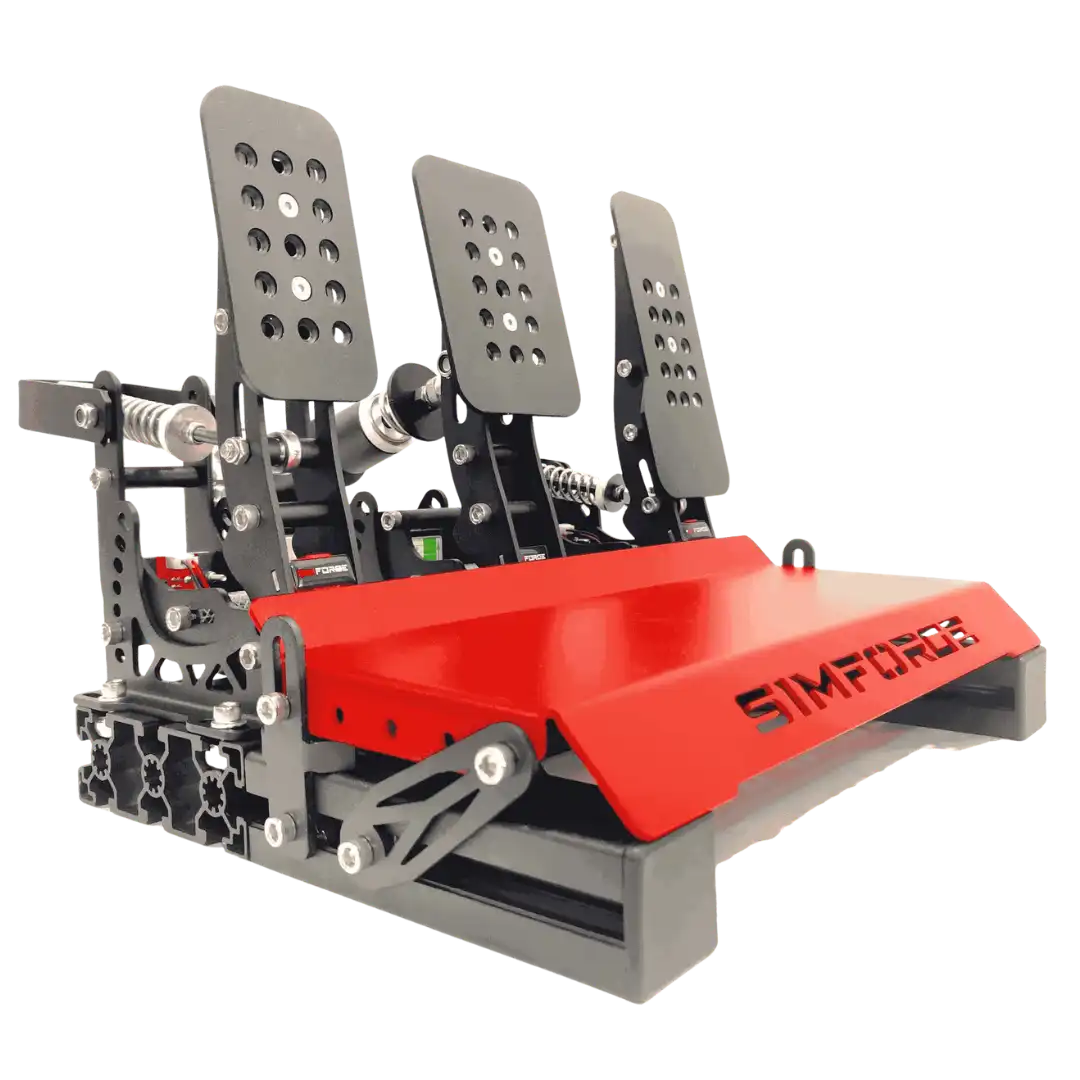
starting from*405,20 €
VX-Pro Pedals
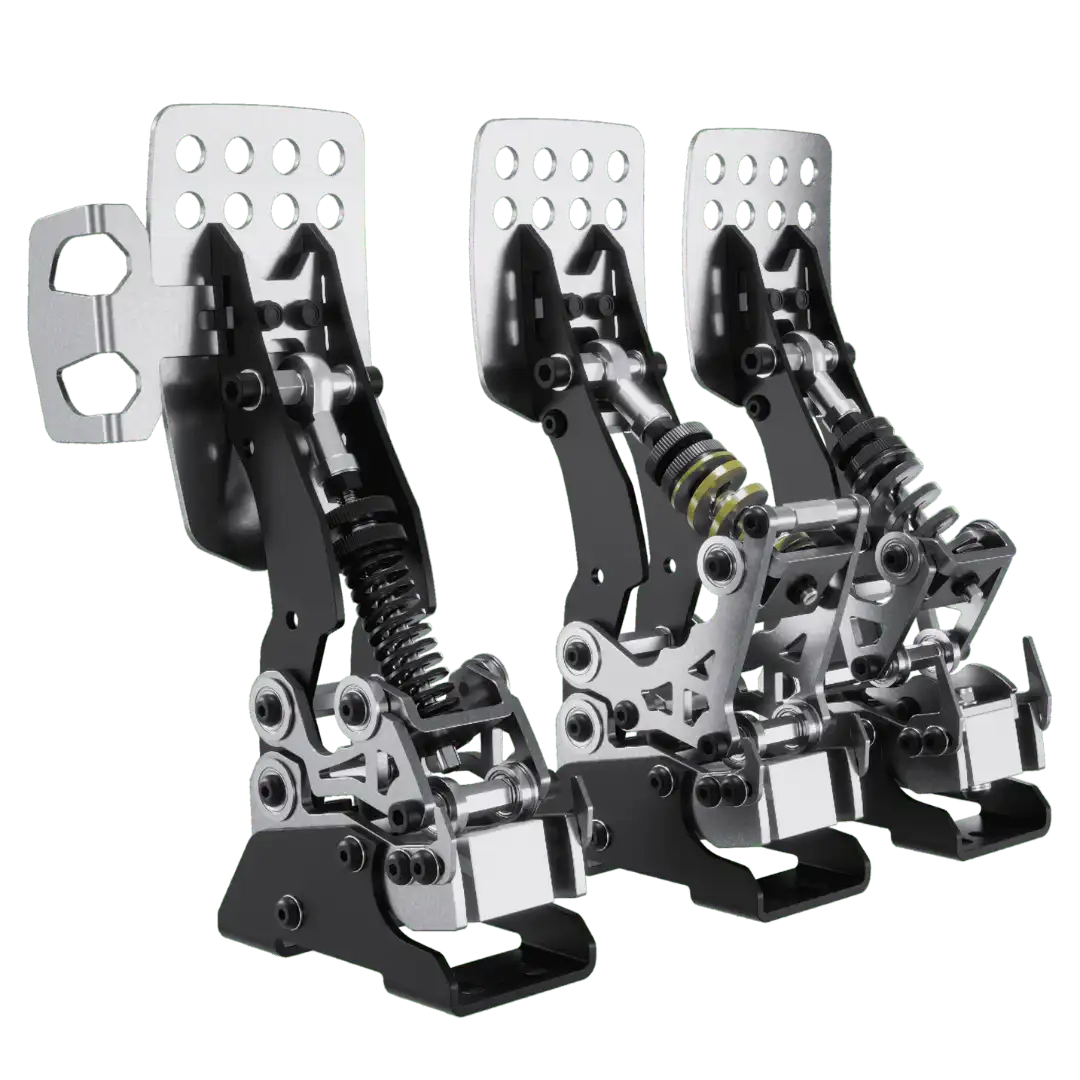
starting from*650,93 €
Simucube Throttle
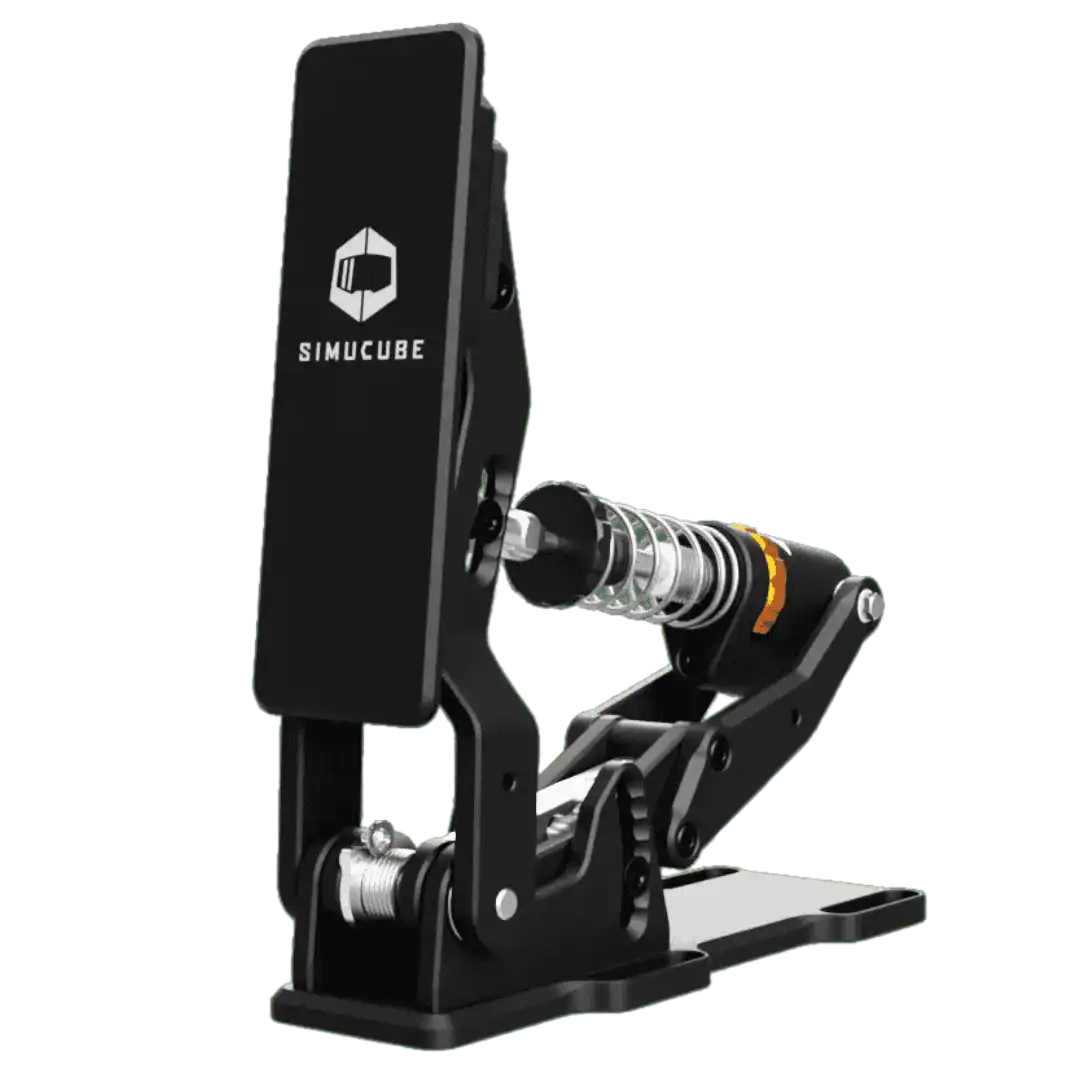
starting from*334,00 €
Pro F1 V3.1 LC Pedal Set

starting from*1.100,00 €
CPP.LITE 2 Pedal Hydraulic Pedals
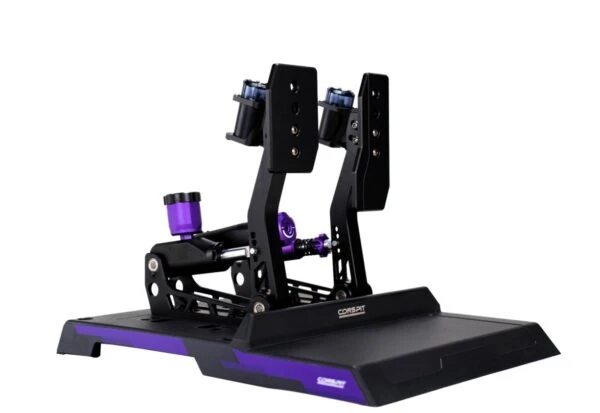
starting from*EOL
P1000-FRS Pedal
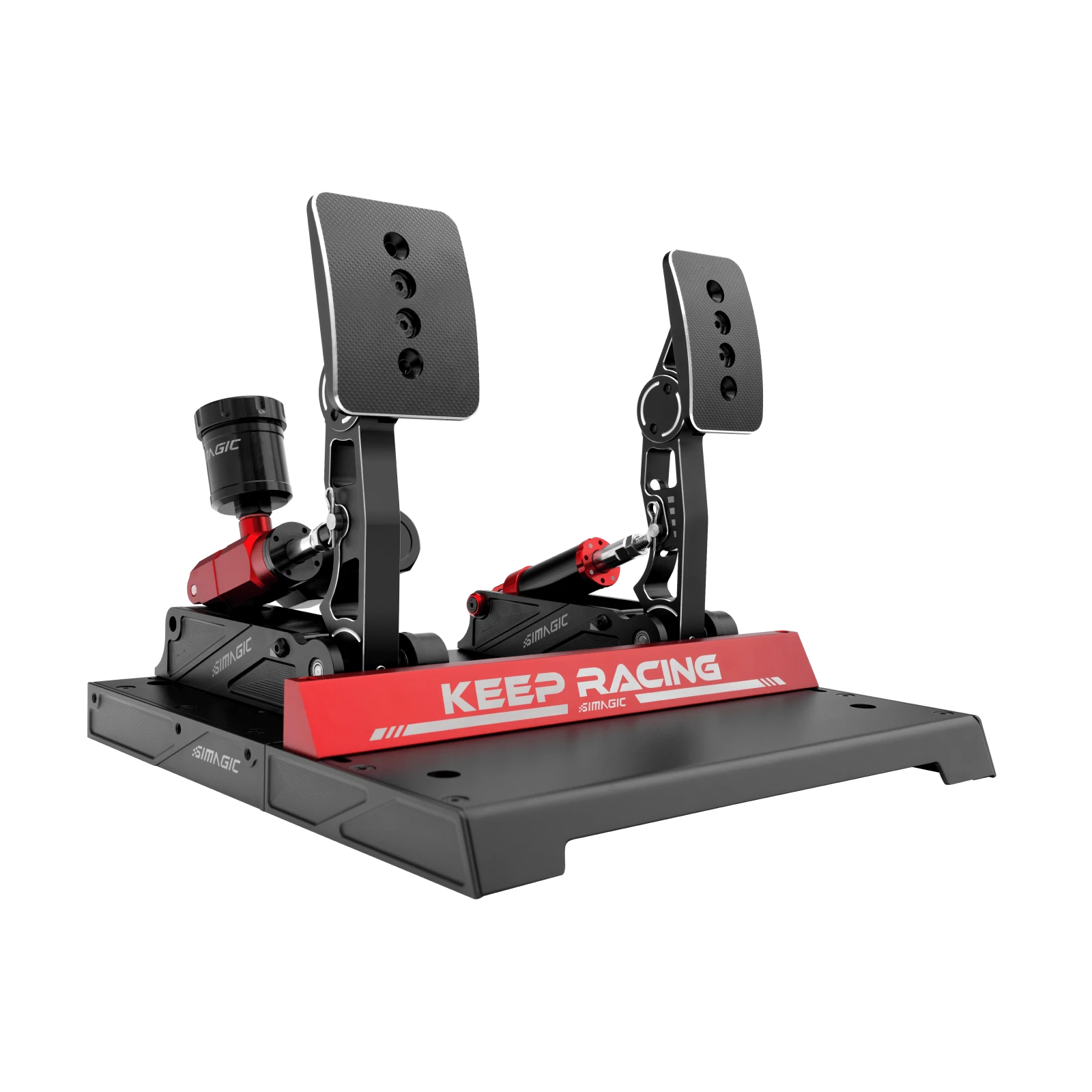
starting from*EOL
Conspit CPP EVO 2 HAPTIC Pedal Set

starting from*EOL
ActivePedal Brake Pedal Face Plate
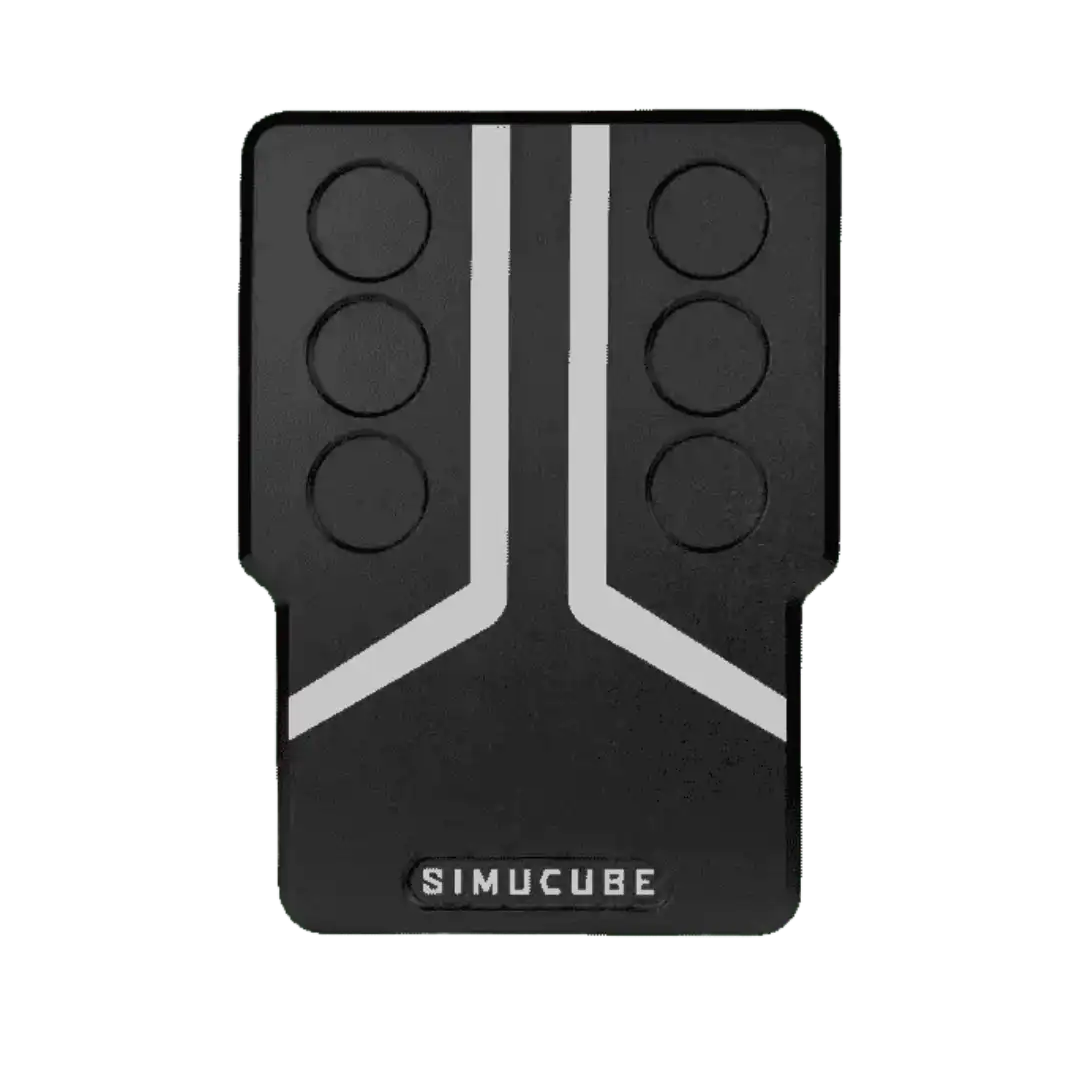
starting from*33,32 €
Thera Clutch Pedal
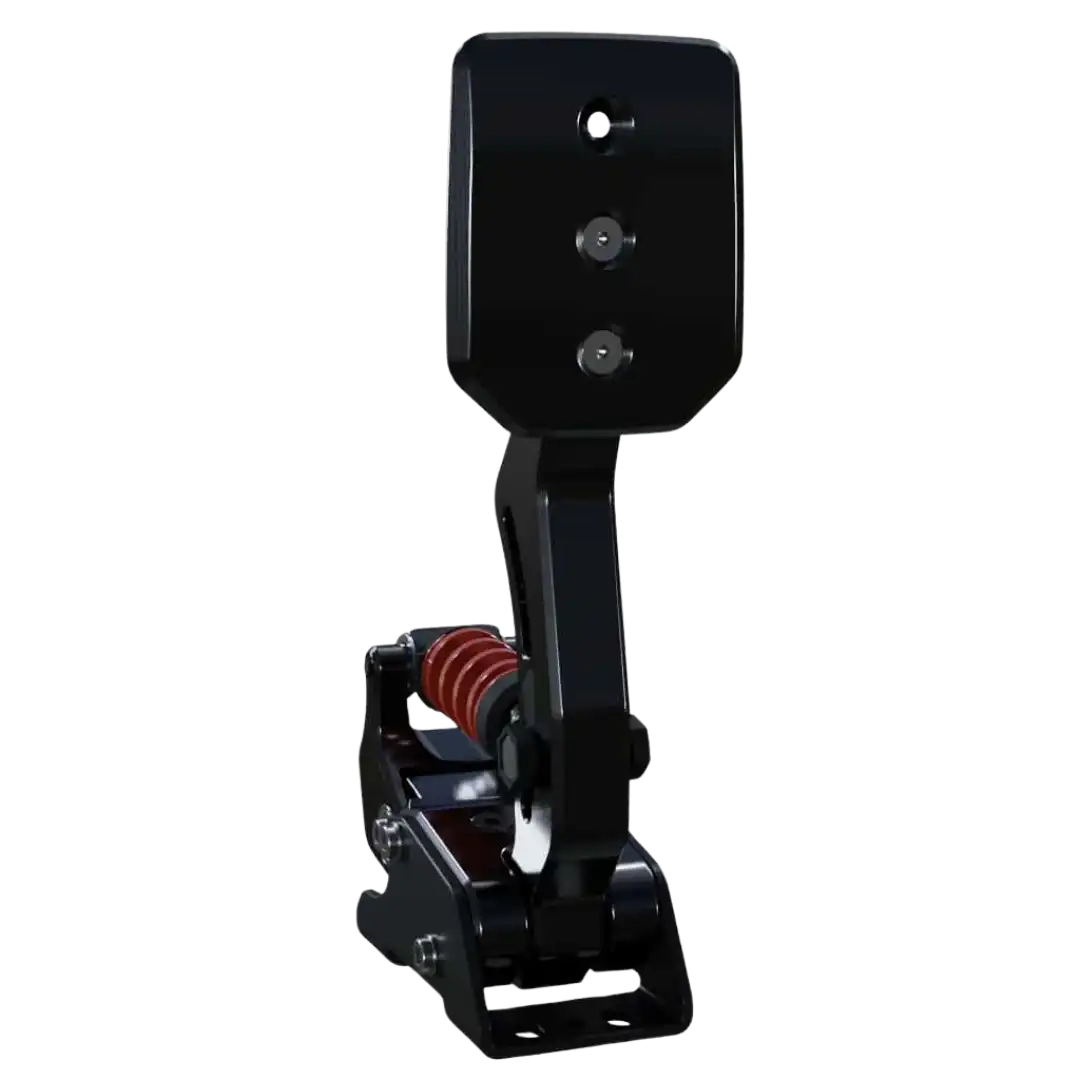
starting from*325,33 €
HRS V3 T6 Tilton Pedal Pads
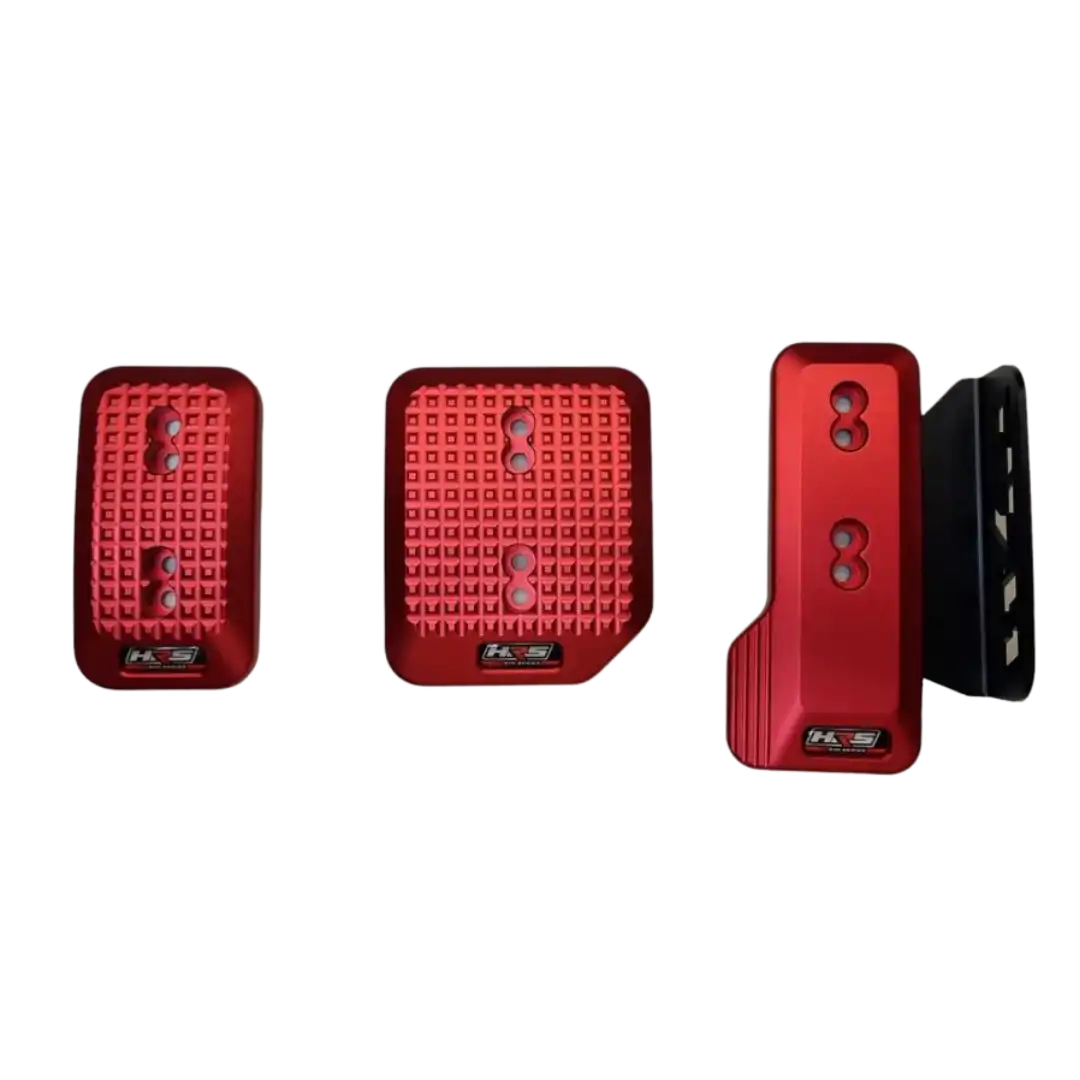
starting from*120,69 €
CSL Pedals Loadcell
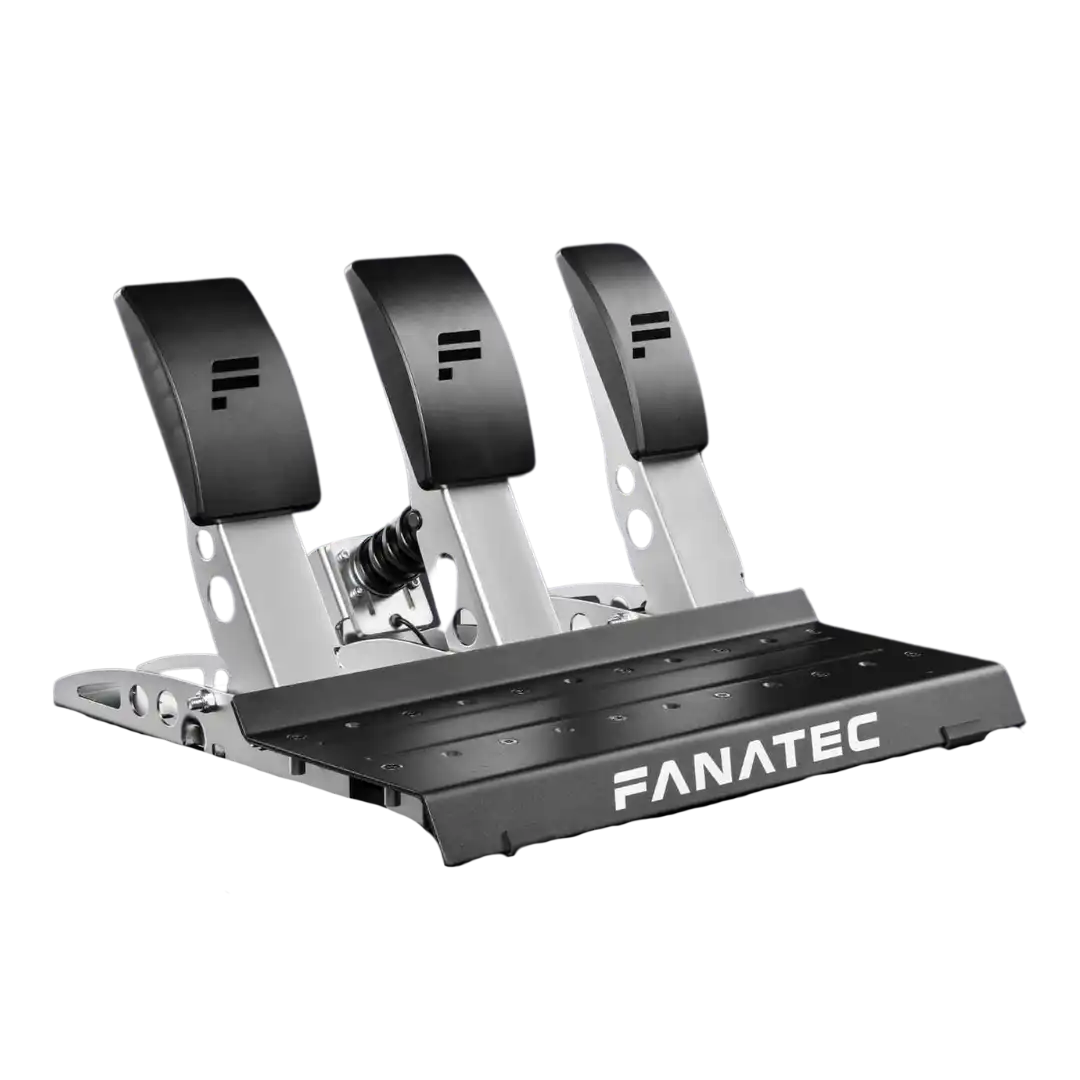
starting from*199,95 €
T3PA

starting from*109,99 €
Alien Pedals Racing 2-Pedals
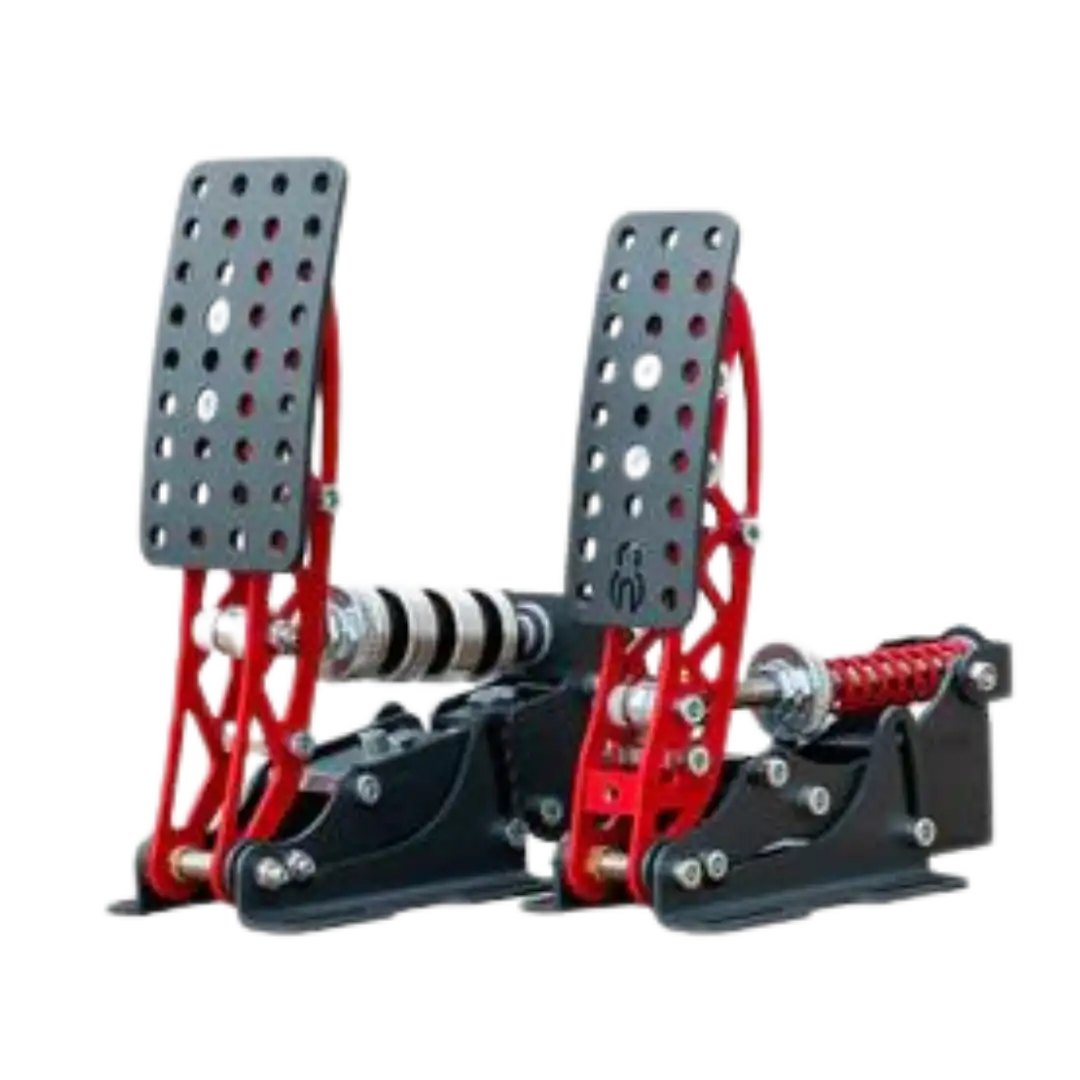
starting from*579,00 €
Pro GT V3.1 LC Pedal Set
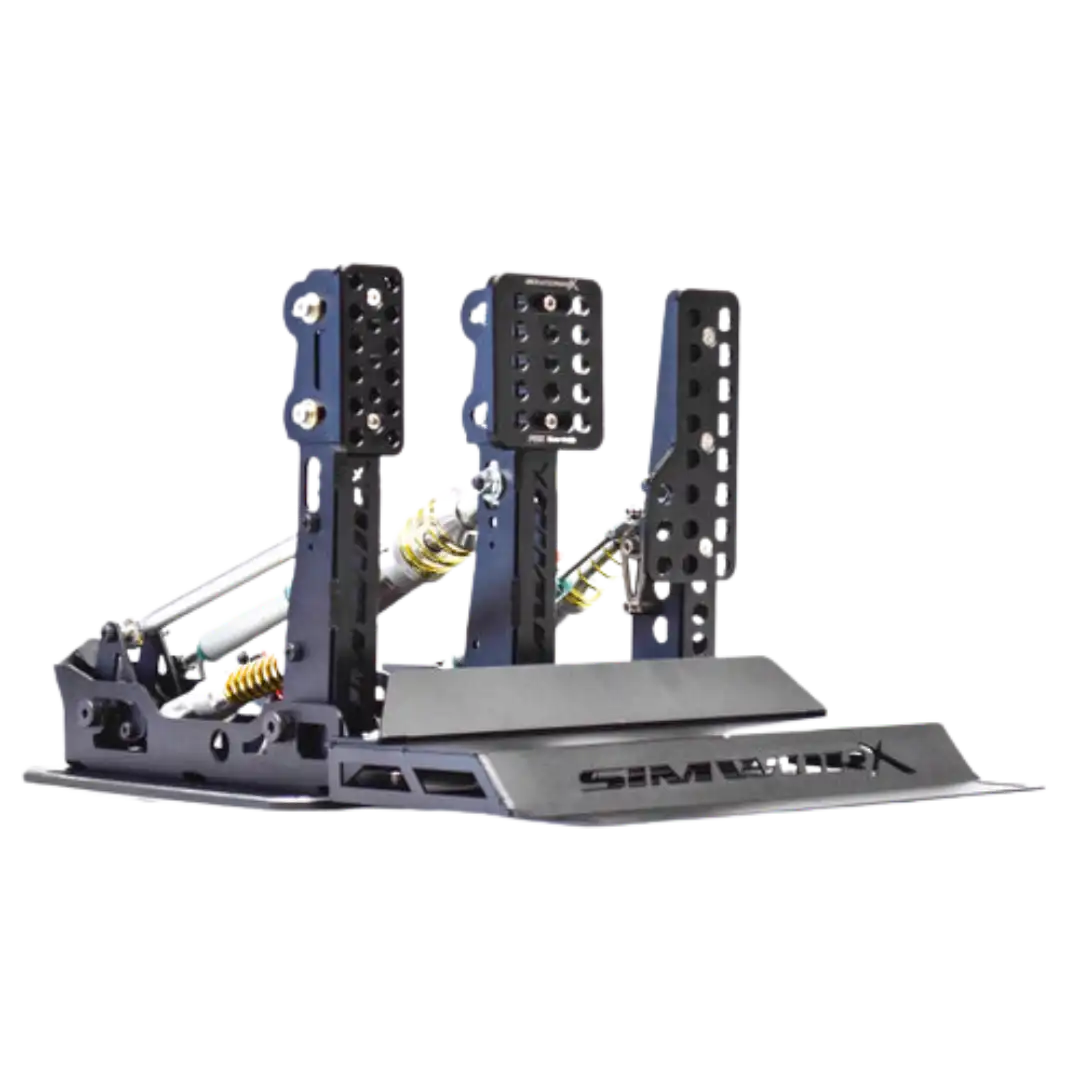
starting from*1.743,00 €
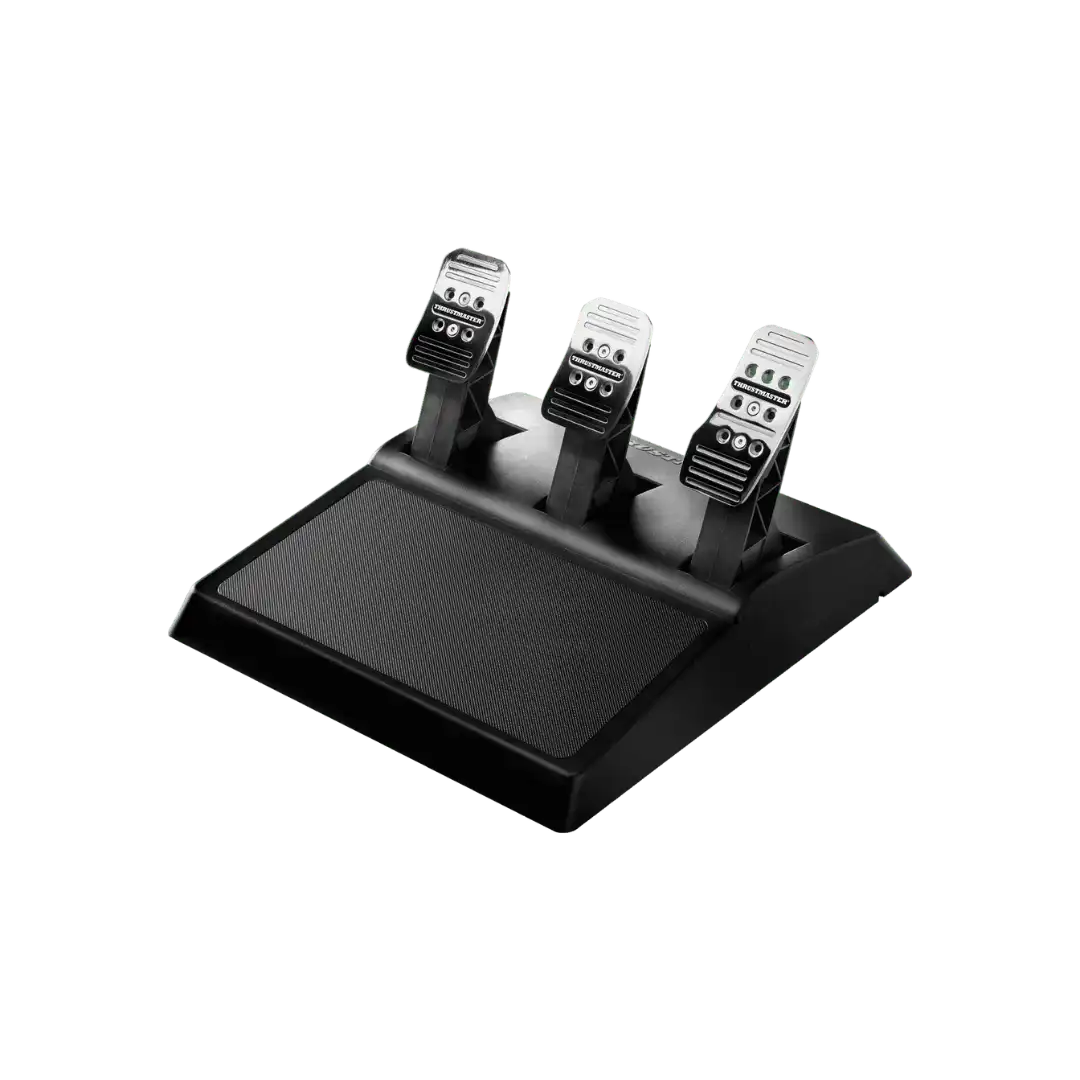
3PA Add-On
starting from*7,99 €
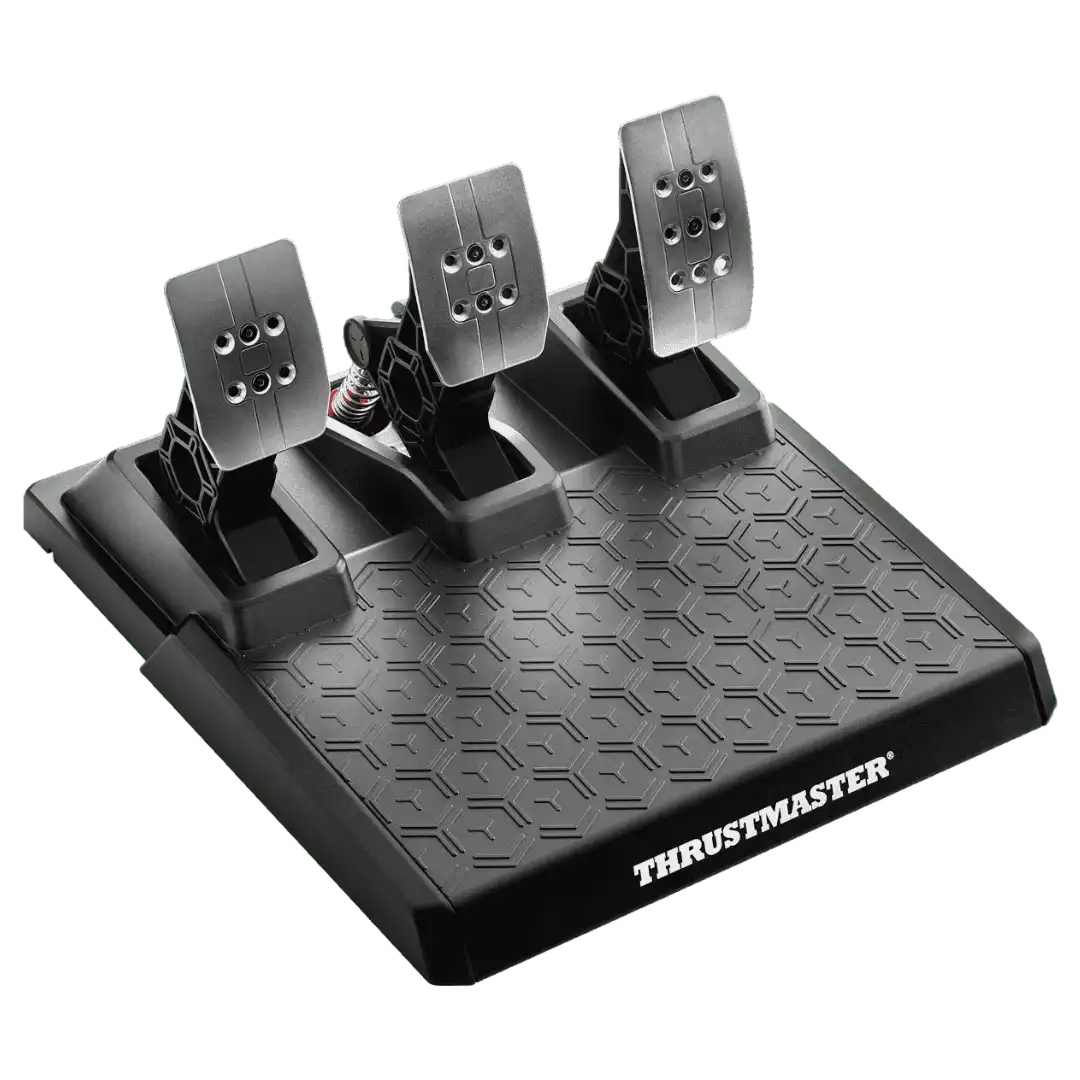
T3PM
starting from*129,99 €
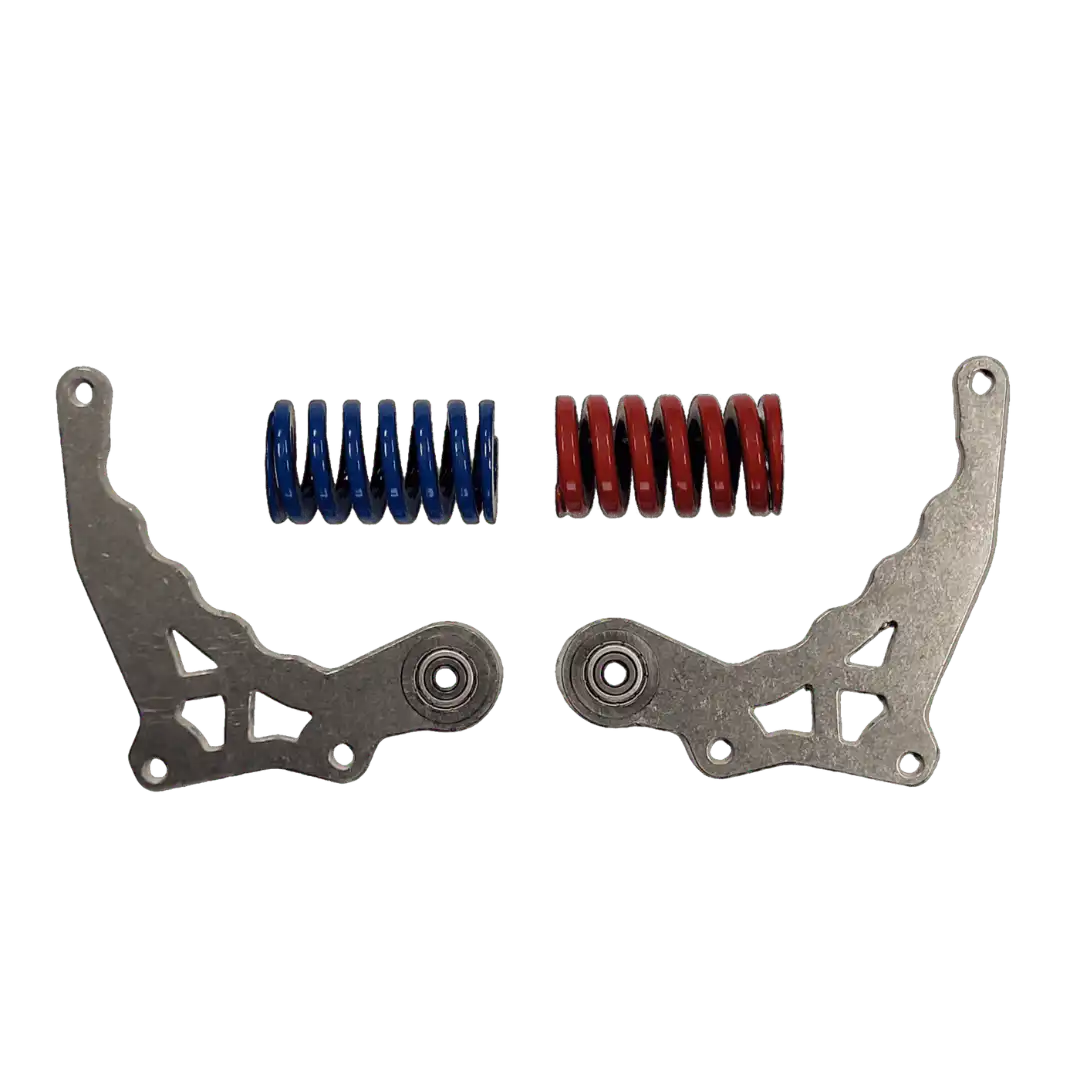
VX-Pro Brake Kit V1
starting from*47,02 €
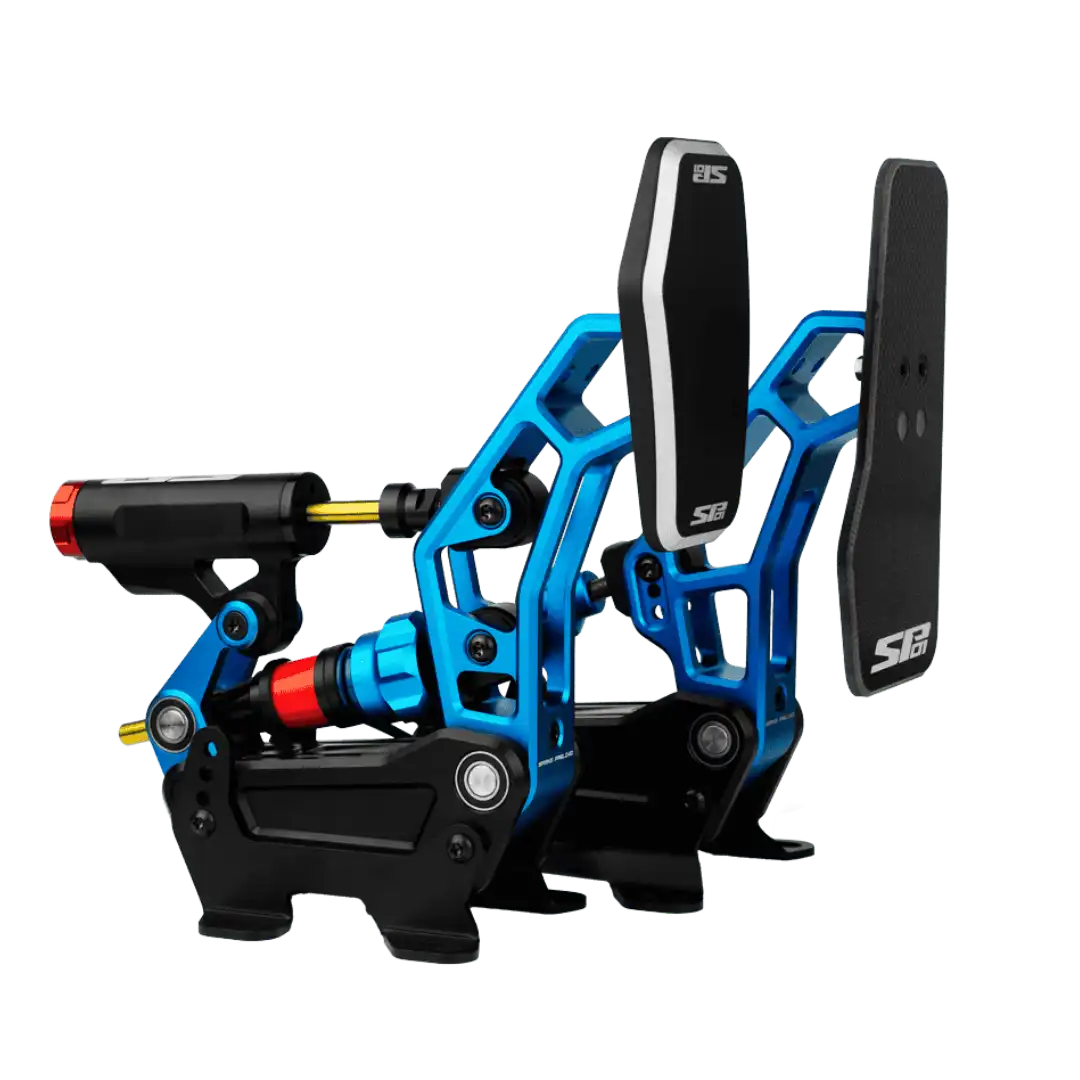
SP01 pedals
starting from*1.099,00 €
P1000i-RS Pedal

starting from*EOL
Thera 3-Pedal Set
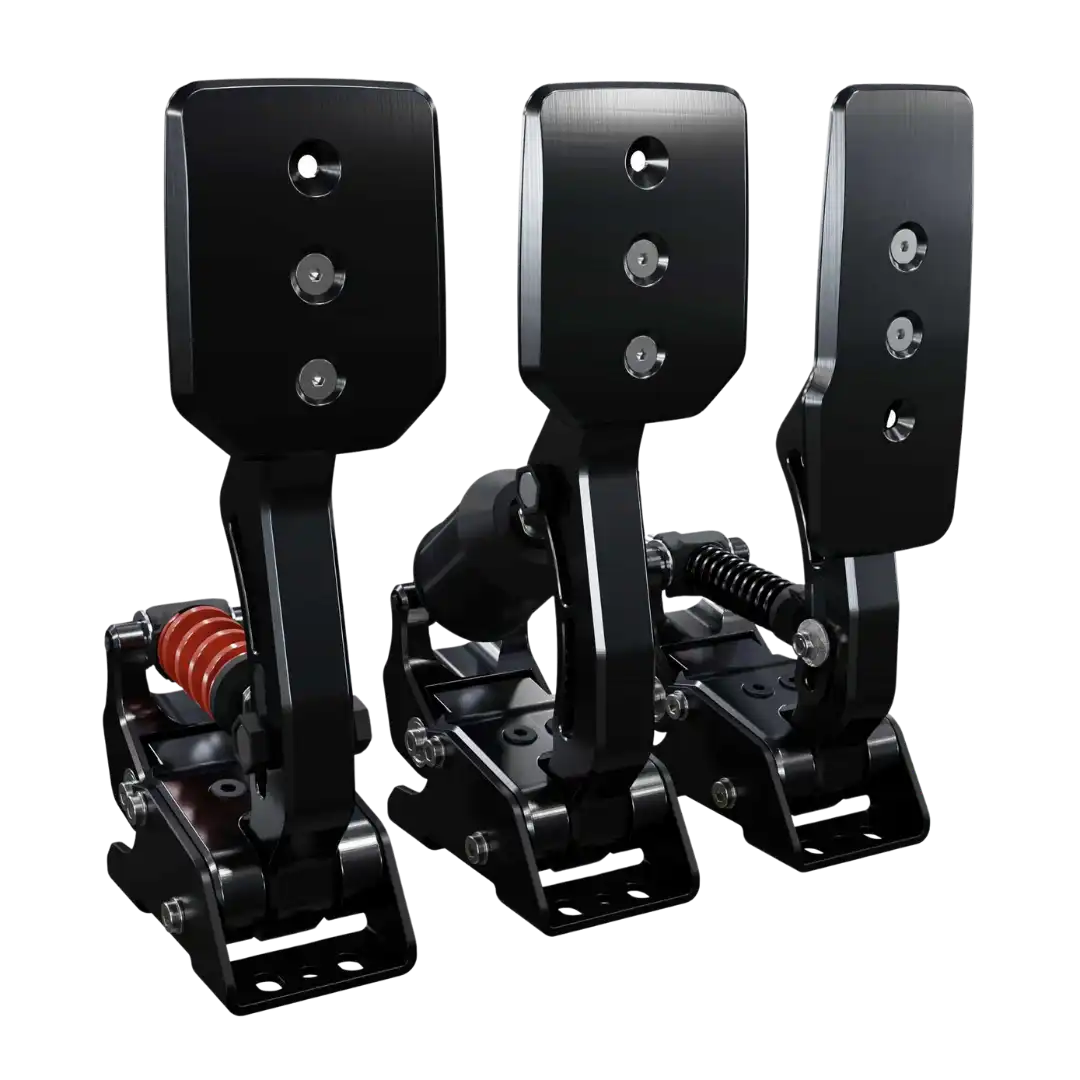
starting from*1.054,69 €
* Prices are automatic snapshots and may differ from the retailer's current price.
Frequently Asked Questions
Are load cell pedals worth it for sim racing?
Yes. Load cell pedals are widely considered the single most impactful upgrade in sim racing. By measuring pressure instead of pedal travel, they enable muscle-memory braking — the same technique real racing drivers use. This results in more consistent and repeatable braking, leading to faster and more predictable lap times.
What is the difference between 2-pedal and 3-pedal sets?
A 2-pedal set includes throttle and brake. A 3-pedal set adds a clutch pedal, required for manual H-pattern shifting. Most modern racing uses sequential paddle or stick shifts, making the clutch optional. Choose 3 pedals if you enjoy GT cars with H-pattern gearboxes or want the extra immersion.
What pedal sensor types are available for sim racing?
Three main sensor types exist: potentiometers (cheapest, measure pedal travel, wear out over time), Hall Effect sensors (magnetic, contactless, very durable), and load cells (measure braking pressure/force, most realistic feel). Load cells are recommended for the brake pedal, while Hall Effect works great for throttle and clutch.
What are active pedals?
Active pedals use motors to provide dynamic resistance and vibration feedback, simulating real brake fade, ABS pulses, throttle response, and road surface texture. They represent the cutting edge of pedal technology, offering the most realistic pedal feel available for sim racing.